
Vallere Home

  • Indoor Plants for Beginners: 8 Varieties That Thrive on Neglect

    Indoor Plants for Beginners: 8 Varieties That Thrive on Neglect

    Not everyone is born with a green thumb, and that’s perfectly fine. The houseplant hobby has expanded far beyond the high-maintenance specimens that once defined it, and today’s selection includes dozens of varieties that thrive on — and sometimes prefer — a bit of neglect. If you’ve killed every plant you’ve ever owned, this list is for you.

    The Unkillable Snake Plant

    The snake plant, also known as Sansevieria or mother-in-law’s tongue, is the gateway plant for a reason. It tolerates low light, infrequent watering, and the occasional forgotten month. Water it every two to three weeks, and even less in winter. Its architectural leaves look striking in any decor, and it actively purifies indoor air. If you only own one plant, make it this one.

    ZZ Plant: The Forgetful Waterer’s Friend

    The ZZ plant stores water in thick rhizomes beneath the soil, which means it can go weeks between waterings without complaint. Its glossy dark leaves look almost artificial in their perfection, making it a favorite for offices and dim apartments. Direct sun will scorch it, but anything from low to bright indirect light works. Water only when the soil is completely dry — overwatering is the only realistic way to kill it.

    Pothos: The Trailing Classic

    Pothos is the plant that turned a generation into plant parents. Its cascading vines work equally well on shelves, hanging planters, or climbing moss poles. It adapts to almost any light condition except direct sun, and it tells you when it needs water by drooping dramatically — then perks right back up within hours of a drink. Pinch back the vines occasionally to encourage bushier growth.

    Succulents and Their Quirks

    Succulents have a reputation for being easy, which is half true. They’re easy if you give them what they want: bright light, fast-draining soil, and deep but infrequent waterings. The most common cause of succulent death is overwatering — they’d rather be ignored than coddled. Choose echeveria, haworthia, or jade plants for the most forgiving varieties. South-facing windowsills are ideal.

    Cast Iron Plant: As Tough as Its Name

    The cast iron plant earned its nickname for good reason. It tolerates low light, irregular watering, temperature fluctuations, and dust. Its broad dark green leaves bring a tropical feel to dim corners where nothing else will thrive. Growth is slow, which is actually a benefit — you won’t need to repot it for years. This is the plant for genuinely difficult spots.

    The Other Easy Winners

    Rounding out the list: the peace lily, which droops dramatically when thirsty but recovers instantly; the spider plant, which produces baby plants you can gift to friends; the Chinese evergreen, with its silver-patterned leaves that brighten low-light corners; and aloe vera, which doubles as a first-aid plant for kitchen burns. None of these will judge you for a missed watering or two. Browse ShopBar’s Home & Living store for pots, planters, and plant care essentials.
  • The Ultimate Guide to Building a Cozy Reading Nook

    The Ultimate Guide to Building a Cozy Reading Nook

    Every home deserves a corner that exists solely for unwinding. A reading nook doesn’t need a dedicated room or a custom built-in — it needs the right combination of comfort, light, and personal touches. Here’s how to create one that becomes the most-loved spot in your home, even if you’re working with a tiny apartment and a modest budget.

    Pick the Right Spot

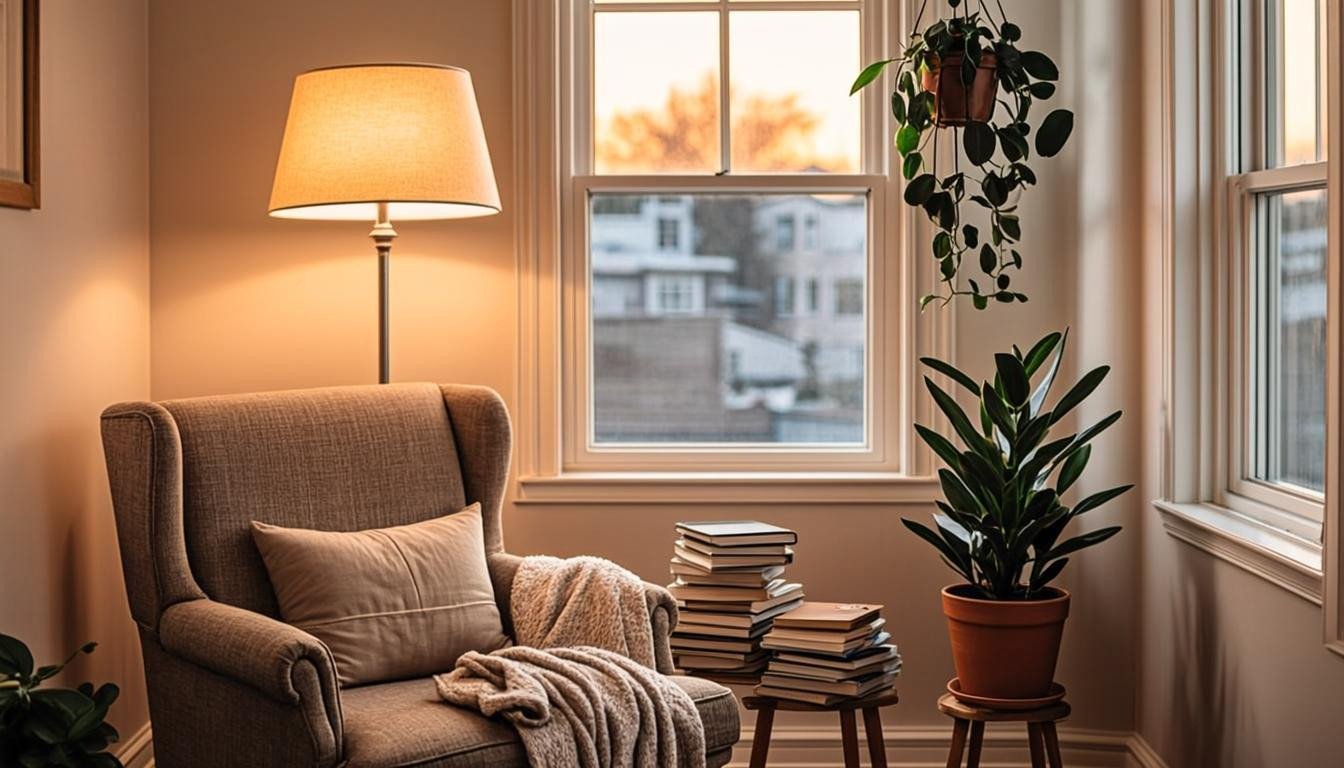
    The best reading nooks have two things: natural light during the day and access to a power outlet for evening lamp use. Corners work particularly well because they offer back support on two sides and naturally feel enclosed. Bay windows, the foot of a bed, or even the dead space under a staircase can all be transformed. The key is choosing a spot you’ll actually visit — not just one that photographs well.

    The Seating Decision

    Your seating is the heart of the nook, so invest here. An armchair with deep seats and supportive arms is the classic choice — look for one you can curl up in without your legs hanging off. Window seats with custom cushions are stunning if you have a bay window, but a chaise lounge or even a well-stuffed floor cushion can work for tighter budgets and spaces. Whatever you choose, test it for at least 20 minutes before committing; reading posture is different from conversational posture.

    Layer Textiles for Comfort

    No reading nook is complete without textiles. A soft throw blanket draped over the armrest invites you to stay longer. A lumbar pillow supports your lower back during marathon reading sessions. A small accent rug anchors the space visually and adds warmth underfoot. Choose textures you actually want to touch — boucle, linen, chenille, or wool — and don’t be afraid to mix them. The goal is tactile invitation.

    Lighting That Adapts

    Lighting makes or breaks a reading nook. Natural light is ideal during the day, but for evenings you need dedicated task lighting. A floor lamp with an adjustable head lets you direct light exactly onto your page without illuminating the rest of the room. Look for bulbs around 2700K to 3000K — warm enough to feel cozy, bright enough to read without strain. If you share your space, a lamp with a dimmer is non-negotiable.

    A Surface for the Essentials

    Every reading nook needs a small surface within arm’s reach — somewhere for a mug of tea, a stack of books, or your phone. A side table at roughly the height of your chair’s armrest is ideal. Round shapes work better than square in tight spaces because they’re easier to navigate around. If floor space is truly tight, a wall-mounted shelf or a tray that slides under the chair both work.

    The Personal Touches

    Finally, add the things that make the nook yours. A small plant brings life and softens hard surfaces. A stack of books you’re actually working through signals intent. A candle or diffuser adds scent as a layer of comfort. Avoid clutter — a reading nook should feel calm, not busy. Browse ShopBar’s Home & Living store for armchairs, lamps, and textiles to build your own corner.

  • Small Apartment Hacks: Make Your Studio Feel Twice the Size

    Small Apartment Hacks: Make Your Studio Feel Twice the Size

    Living in a small studio doesn’t mean living small. With the right strategies, even a 350-square-foot space can feel airy, organized, and genuinely comfortable. The secret isn’t cramming in multi-functional furniture — it’s making deliberate choices about scale, storage, and visual flow. Here are the hacks that actually make a difference.

    Choose Furniture That Breathes

    The biggest mistake small-space dwellers make is choosing furniture that’s too bulky. A low-profile sofa on legs, rather than a chunky sectional that sits flush with the floor, instantly makes a room feel larger because you can see underneath it. The same logic applies to beds, dressers, and coffee tables — anything that visually floats makes the floor space read as continuous.

    Vertical Storage Is Your Best Friend

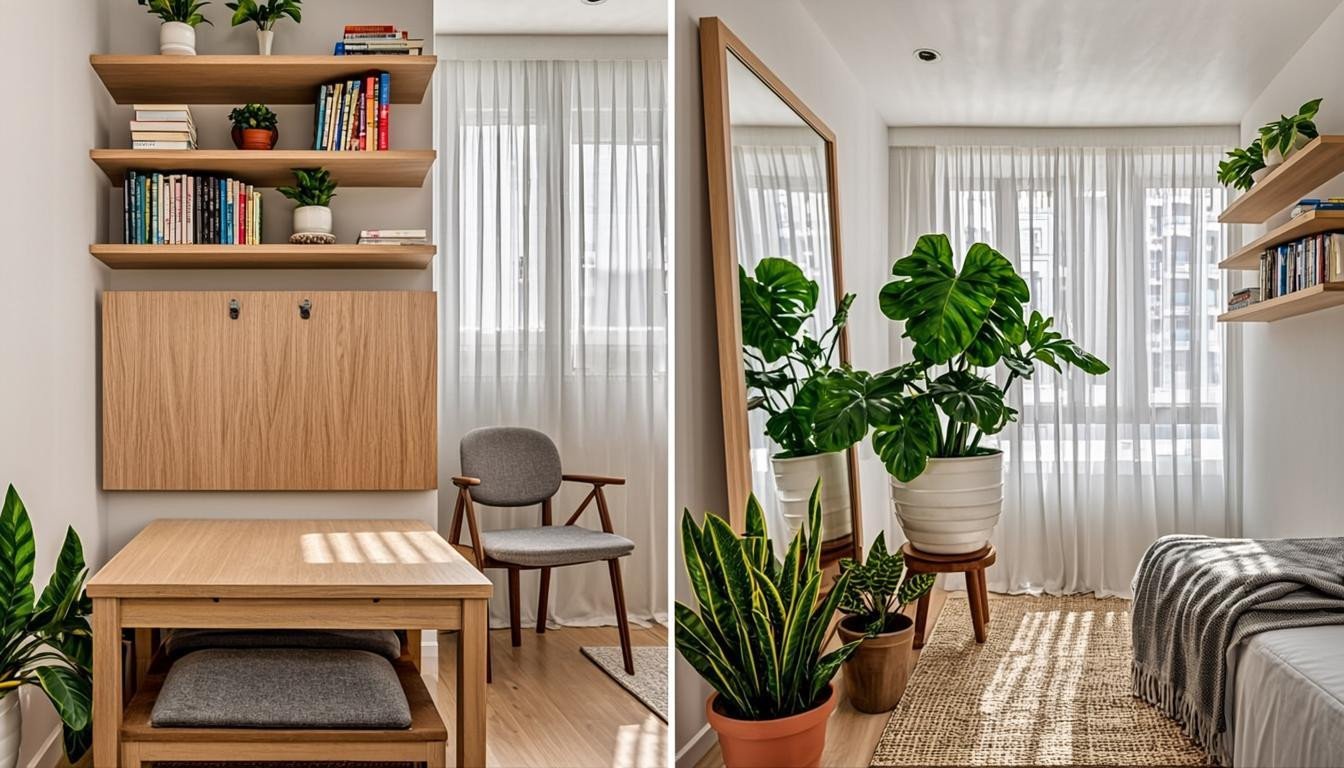
    When floor space is limited, walls become storage. Floor-to-ceiling shelving draws the eye upward and makes ceilings feel higher, while housing an enormous amount of stuff. Wall-mounted nightstands and floating desks eliminate floor furniture entirely in tight spots. Even floating TV consoles free up valuable floor area and create a sense of spaciousness that traditional media centers can’t match.

    Mirrors and Light: The Oldest Tricks

    A large mirror opposite a window effectively doubles the natural light in a room and creates the illusion of depth. It’s a cliché for a reason — it works. Pair mirrors with light, reflective surfaces on walls and floors to bounce what little light you have around the space. Avoid dark accent walls in studios; they make rooms feel like caves. Stick to whites, creams, and pale neutrals.

    Define Zones Without Walls

    Open-plan studios need zones — sleeping, living, working — but you don’t need walls to create them. A large rug anchors a living area. A console table behind a sofa separates it from a workspace. Floor lamps and pendant lights create pools of light that visually carve up a room. The goal is to make each zone feel like its own space without closing anything off.

    Fold-Down and Multi-Use Pieces

    A wall-mounted fold-down desk gives you a workspace when you need it and disappears when you don’t. A drop-leaf dining table expands for guests and shrinks to console size for daily use. Murphy beds have come a long way from the clunky models of the past — modern versions often include integrated shelving and sofas that fold away with the bed. Each multi-functional piece should earn its keep by genuinely solving a problem in your space.

    Don’t Forget the Doorways

    Door-mounted organizers, over-the-door hooks, and the back of closet doors are underused real estate. A shoe rack on the back of a bedroom door frees up floor space; hooks on the bathroom door replace bulky towel racks. Small adjustments add up. The cumulative effect of these micro-decisions is a studio that feels twice its actual size. Explore ShopBar’s Home & Living collection for furniture and storage sized for small spaces.